
How Fast Can You Deploy After a Disaster in Union City?
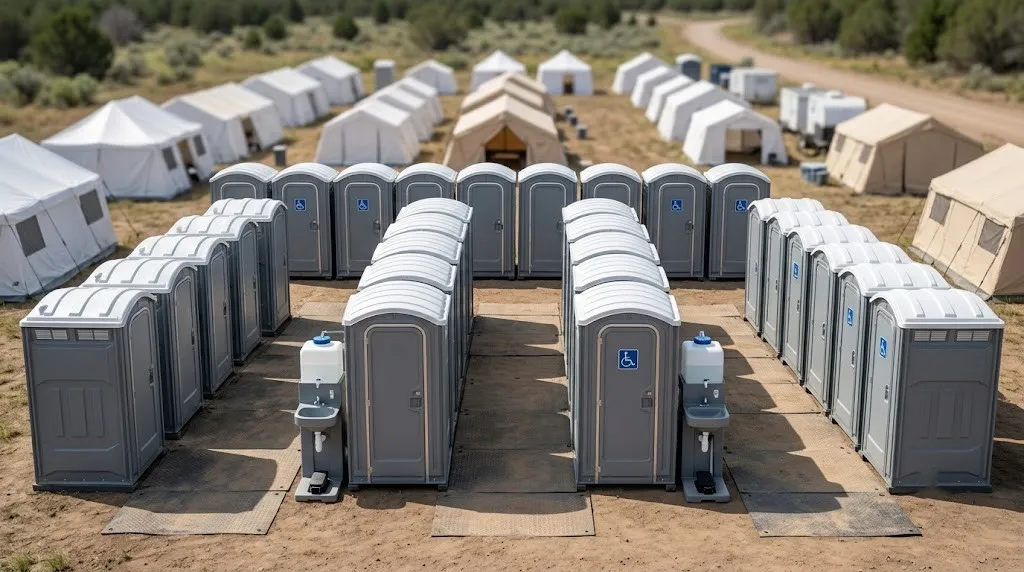
Fast is the whole point. Union City Porta Pros keeps standard units staged and ready to move, and most disaster calls get a truck rolling the same day. A standard unit measures about 44 by 48 inches on the ground and stands roughly 92 inches tall, so it fits on driveways, church lots and shelter grounds without much maneuvering. For larger response sites we bring in extra portable toilet rental capacity in batches rather than one at a time, which cuts down on repeat trips.
Distance matters when a disaster spans more than one town. Union City sits close enough to Hillside, 2.5 miles east, and Irvington, 3.3 miles northeast, that a single response run can often cover more than one affected area in the same afternoon. That matters when roads are partially blocked or when a shelter in Maplewood, 3.5 miles north, needs units at the same time as a Union City location. We also handle emergency porta potty rental calls that come in overnight, because disasters don't wait for business hours.
If water service is down along with sewer, we pair units with handwashing station rental setups so people have a way to wash regardless of what the municipal system is doing.
What Sanitation Do Shelters and Response Sites Actually Need?
They need toilets sized to headcount, handwashing that works without running water, and a way to keep both stocked as conditions change hour to hour. OSHA 1926.51(c) sets a baseline of one toilet facility per 20 workers on a site, scaling to one seat and one urinal per 40 workers once crews pass that number, and per 50 workers at 200 or more. That ratio is written for construction crews, but it is the same math a shelter coordinator should run for displaced residents and response staff.
Handwashing needs its own plan. Under 29 CFR 1910.141(d)(2), washing facilities need soap and towels or a hand-drying device. Hand sanitizer alone doesn't satisfy it. That is why a portable sink rental or a hand sanitizer station rental paired with actual sinks works better than sanitizer stations alone for a shelter running for days.
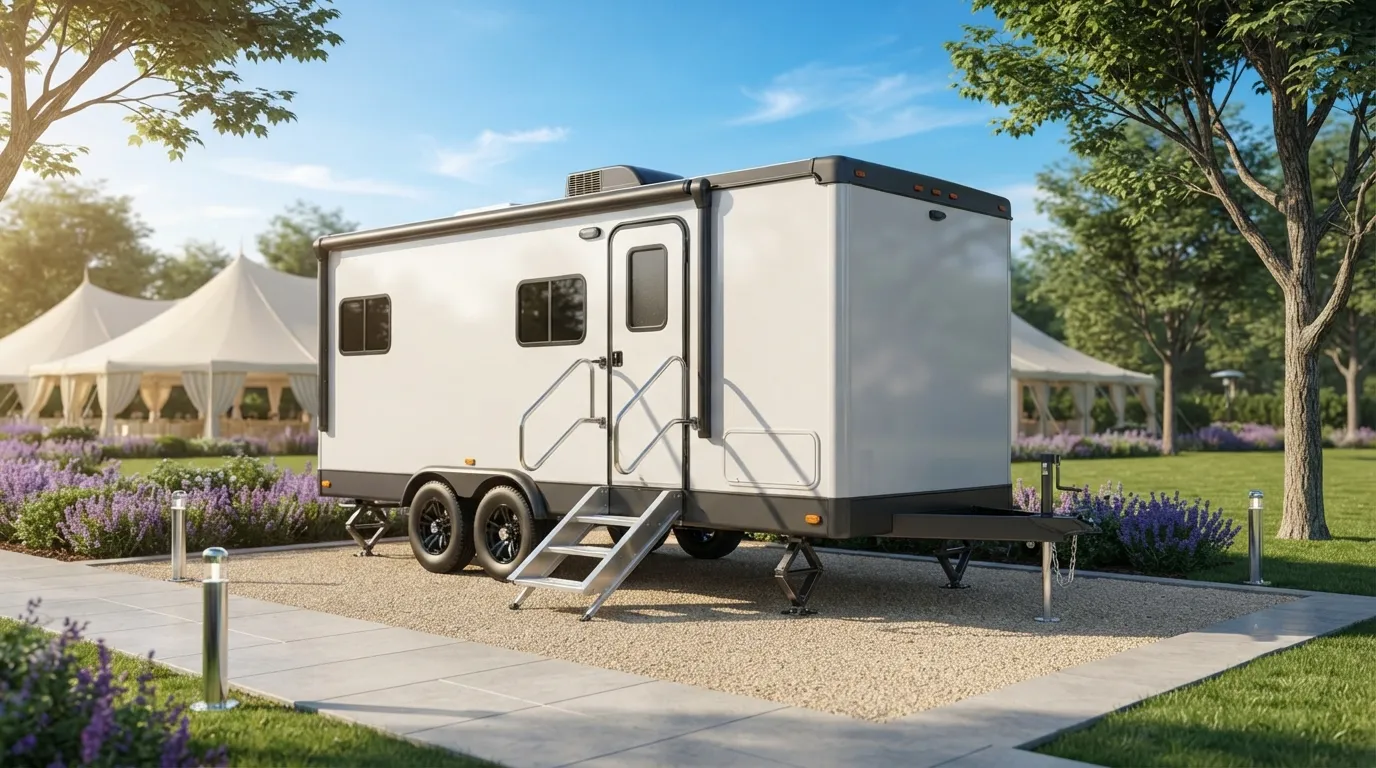
Accessibility can't be an afterthought during a crisis. ADA Standards 213.2 requires that where portable toilets are clustered, at least 5 percent, and never fewer than one unit, be accessible. An ADA accessible porta potty has a wider door and interior turning space built to that standard, and we always include one in a disaster deployment regardless of the total unit count. For sites needing something closer to a real bathroom, an 8 stall restroom trailer or 4 stall restroom trailer can carry a shelter through an extended stay.
What Happens to Septic and Sewer Systems During a Disaster?
Flooding overwhelms septic systems fast, and a tank that normally gets pumped every 3 to 5 years can back up within days when groundwater rises around it. If a residence loses septic function entirely, a temporary holding tank rental keeps the household functional while the system dries out or gets repaired. Our emergency septic service crews prioritize calls where sewage backup poses a health risk, and we coordinate pumping schedules around road access when parts of Union City are still difficult to reach.
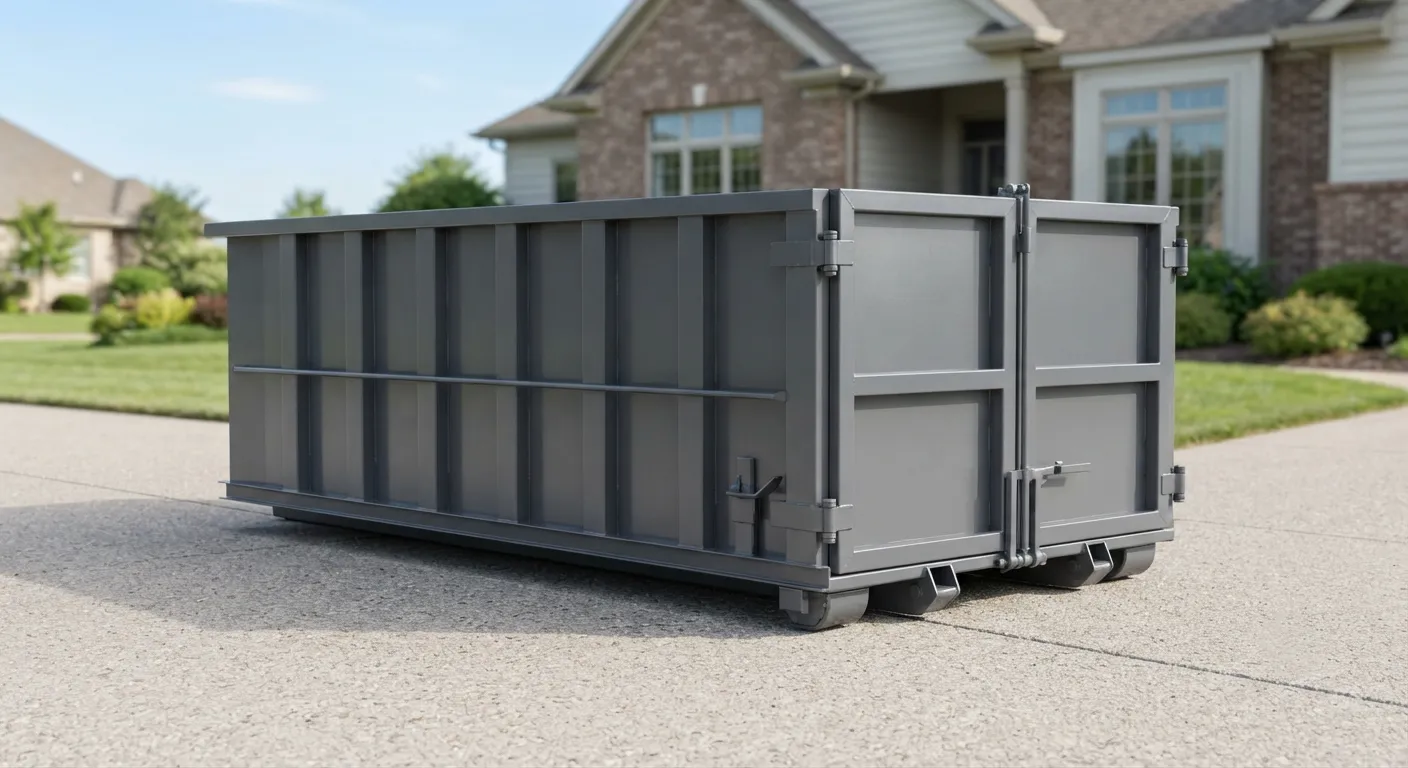
Debris removal runs alongside sanitation during recovery. Storm debris, damaged drywall and flooded belongings pile up fast, and a roll-off dumpster rental parked at the curb keeps that material from blocking access to units and tanks. A 20 yard dumpster rental handles most single-property cleanups, while a 30 yard dumpster rental suits a shelter site generating heavier volume. Know that what cannot go in a dumpster still applies during disaster cleanup, since hazardous household chemicals and certain flood-damaged materials need separate handling.
For sites without power, a temporary power pole or light tower rental keeps response crews working after dark, and temporary fence rental secures a staging area so equipment and supplies stay put overnight.
How much does a disaster response unit cost?
A standard unit typically runs $100 to $350 a day depending on urgency and delivery timing. Weekly and monthly rates apply if the deployment runs longer, which is common during extended recovery. See porta potty rental cost for the full breakdown.
Can you deliver to a shelter that isn't a normal jobsite?
Yes. We deliver to schools, churches, community centers and any flat, accessible surface a shelter is using. A roll-off delivery needs about 60 feet of straight clearance behind the truck, so let us know the layout ahead of time.
Do you provide handwashing stations separately from toilets?
Yes, they can be rented on their own or paired with units. See handwashing station requirements for what a compliant setup needs to include beyond just a sink.
How many units does a shelter need?
It depends on headcount and how long people stay. Use how many porta potties do i need as a starting point, then call so we can adjust for medical needs and ADA units.
What if roads are blocked and you can't reach a site right away?
We reroute around closures and prioritize the most urgent calls first. Keep your phone on, since our dispatcher may call to confirm an alternate drop point nearby.
Next step
Get a delivery date
Tell us the address, the dates and the headcount. We size the order and confirm the route.